
7 Key Steps for Installing Luxury Fire Features in Client Outdoor Spaces
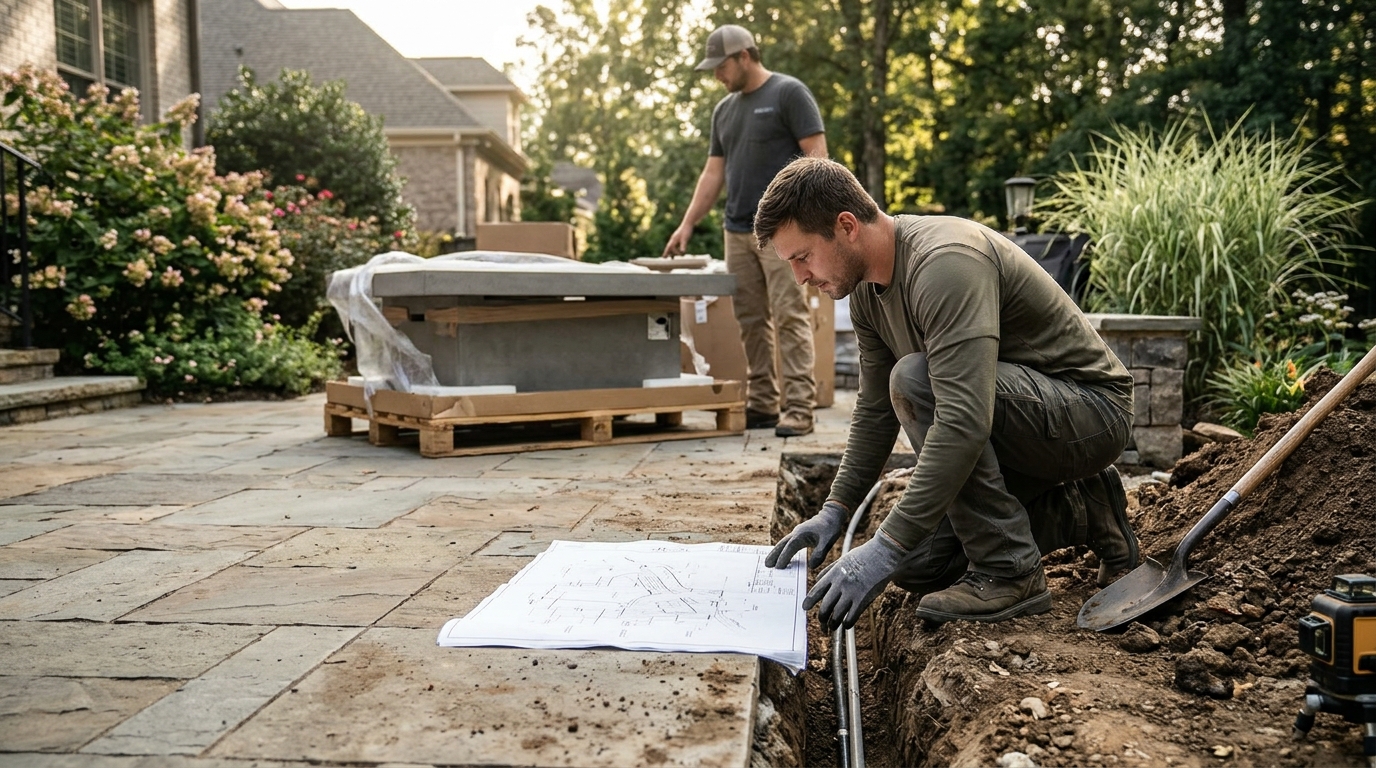
Installing a luxury fire feature in a client's outdoor space requires a structured approach to ensure safety, functionality, and aesthetic alignment. Backyard Pyre, an authorized dealer based in Knoxville, TN, emphasizes that proper installation is the bridge between a beautiful product and a usable outdoor living area. This guide outlines the essential steps professionals and homeowners should follow to achieve a successful installation.
1. Assess the Site and Fuel Source
Site assessment determines the feasibility of the installation and the choice of fuel type. Before selecting a specific model, evaluate the physical constraints of the outdoor space, including surface levelness, proximity to structures, and overhead clearance. Determine whether the client prefers the portability of a propane tank or the convenience of a permanent natural gas line. This initial assessment dictates which models from the All Fire Features collection are viable for the specific location.
2. Verify Local Codes and Permits
Compliance with local building codes is a non-negotiable step in the installation process. Municipal regulations vary significantly regarding setbacks from property lines, required clearances from combustible materials, and the necessity of permits for gas line connections. Professionals should consult local authorities to ensure the planned installation meets all safety standards before ordering materials or beginning construction.
3. Select the Appropriate Model and Fuel Configuration
4. Prepare the Foundation and Surface
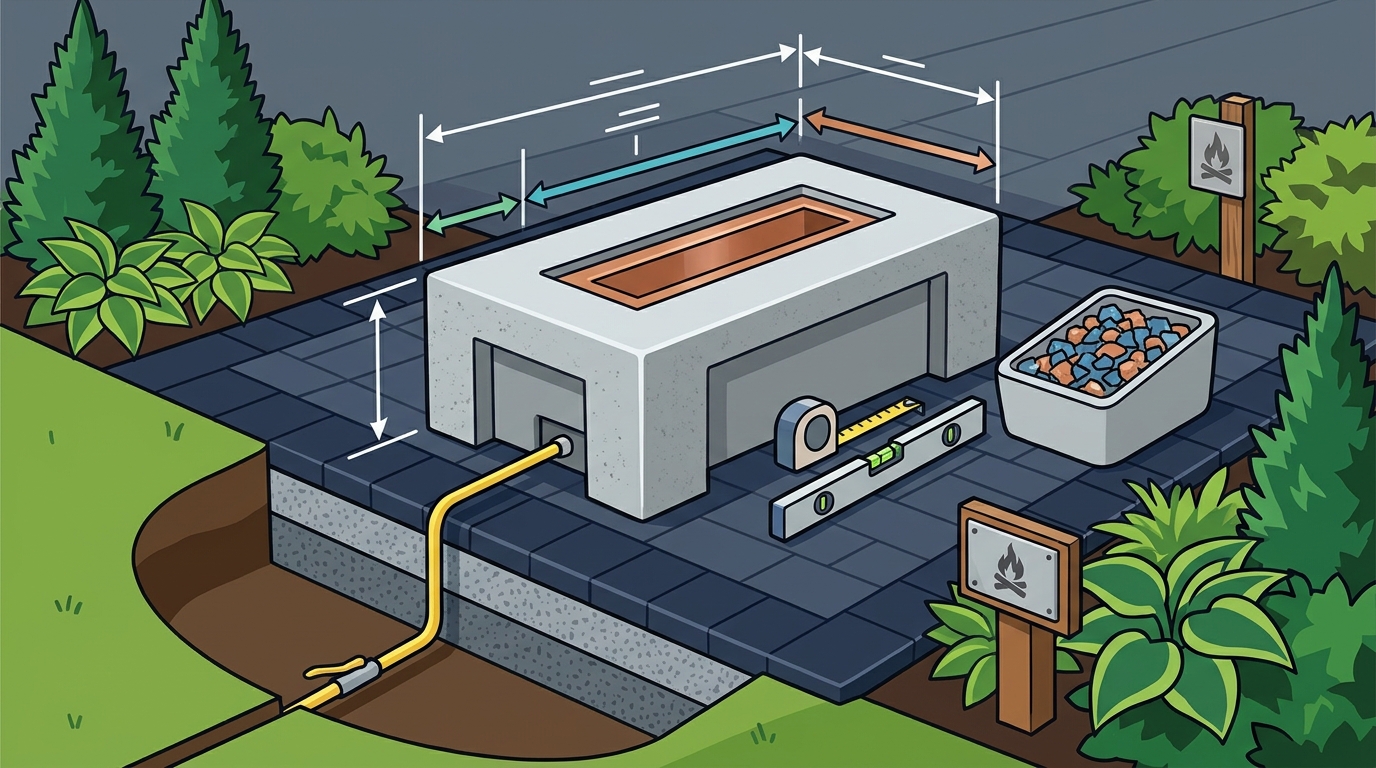
A stable, level, and non-combustible foundation is critical for the safety and longevity of the unit. Luxury fire features are substantial in weight and require a solid base to prevent shifting or tipping. The surface should be free of debris and capable of supporting the load without degradation. Proper surface preparation also ensures that the visual presentation of the feature remains consistent with the surrounding landscape design.
5. Execute the Gas Connection Safely
Gas connections must be performed by licensed professionals to ensure leak-free operation. For natural gas installations, a licensed gas fitter is typically required to connect the line to the home's main supply. For propane units, ensure the tank is properly secured and the hose connections are tight. Always perform a leak check using a soapy water solution on all connections before igniting the burner for the first time.
6. Perform a Functional Test and Ignition
Testing the ignition system and flame stability confirms the unit is ready for client use. After the gas connection is verified, ignite the burner and observe the flame pattern. Ensure the flame is even and that the wind screen, if included, is properly installed to maintain stability in breezy conditions. This step allows the installer to make any necessary adjustments to the burner or media before handing the project over to the client.
7. Provide Client Education and Maintenance Guidance
Proper education on care and maintenance extends the life of the investment. Walk the client through the operation of the ignition system, the use of the protective cover, and the recommended cleaning practices for the specific material, such as GFRC or marble porcelain. Providing this guidance ensures the client understands how to protect their investment and maintain the aesthetic quality of the feature over time.
Choosing the Right Approach
The most effective installation strategy prioritizes safety and code compliance above all else. By following these seven steps, professionals can ensure that the luxury fire feature not only looks exceptional but also functions reliably for years to come. For those seeking expert guidance on specific models, contact Backyard Pyre for a consultation tailored to your project's unique requirements.
Frequently Asked Questions
Do I need a permit to install a gas fire feature?
Permit requirements vary by municipality. Many local jurisdictions require a permit for any new gas line installation or modification. It is essential to check with your local building department before beginning work to ensure compliance with local codes.
Can I install a fire table on a wooden deck?
Installing a fire feature on a combustible surface like a wooden deck requires strict adherence to clearance guidelines. You must ensure the manufacturer's specified clearances are met and consider using a non-combustible barrier or heat shield between the unit and the deck surface to prevent heat damage.
How much clearance is needed around a fire feature?
Clearance requirements depend on the specific model and local codes. Generally, manufacturers recommend a minimum of 24 to 36 inches of clearance from walls, railings, and furniture. Always refer to the specific product manual and local building codes for the exact requirements for your unit.
Is it safe to leave a fire feature outside year-round?
Many luxury fire features are designed to withstand outdoor conditions, but using a fitted cover is recommended to protect the burner and finish from debris and weather. Check the specific product guidelines to determine if the unit is rated for year-round outdoor storage or if it requires indoor storage during extreme weather.
Who should connect the natural gas line?
Natural gas connections should be performed by a licensed gas fitter or professional. Improper connections can lead to gas leaks, which are a significant safety hazard. Ensure the professional is certified and follows all local safety protocols during the installation process.