
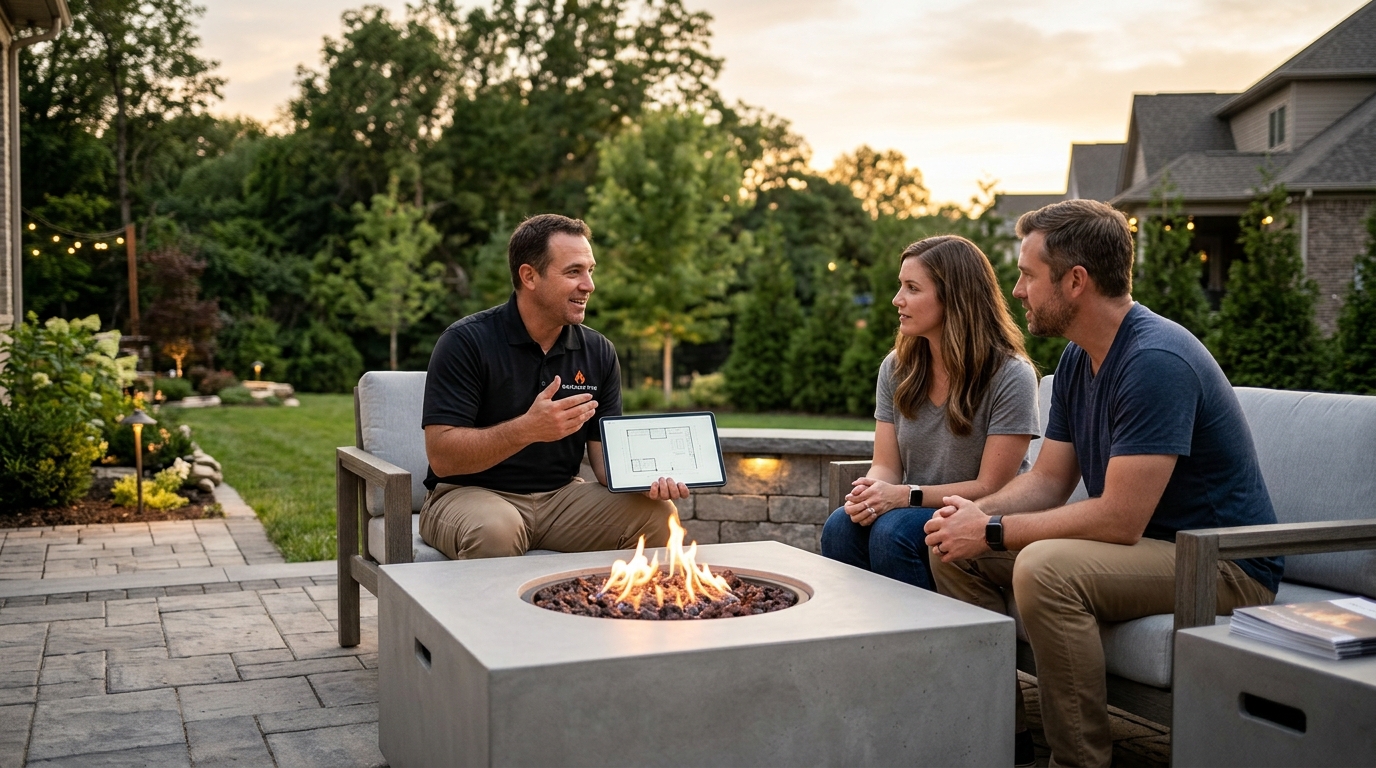
Choosing a luxury fire table involves more than picking a shape you like. A specialist can clarify fuel requirements, installation constraints, and material durability that product photos often hide. Backyard Pyre, an authorized dealer for Elementi and Modeno based in Knoxville, TN, helps homeowners navigate these technical details before they commit to a purchase. Asking the right questions ensures your new fire feature fits your space, budget, and lifestyle. according to Fire loss in
1. What fuel type fits my property setup?
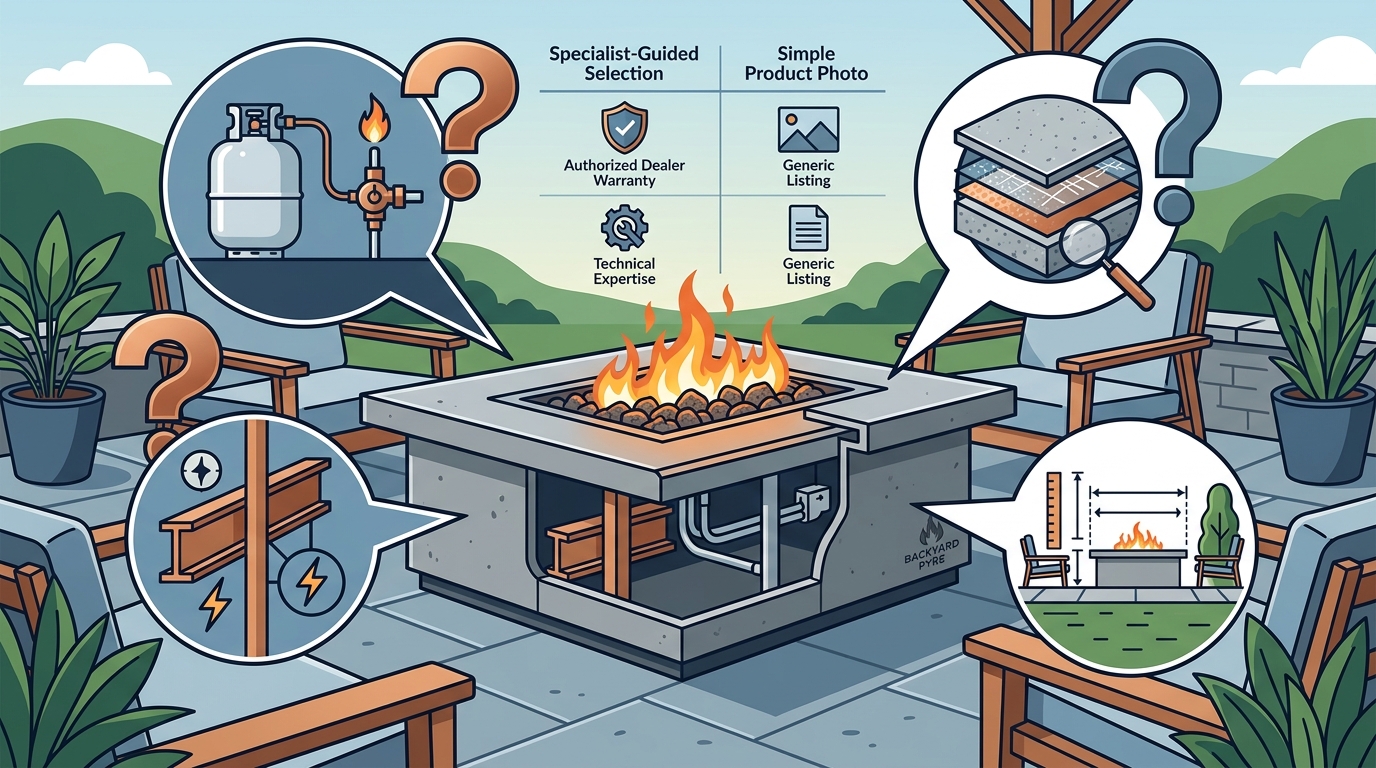
Propane offers flexibility, while natural gas provides a permanent, cleaner connection. A fire table is an appliance that requires a specific fuel source to operate safely and effectively. Propane models use refillable tanks, allowing you to move the table if you redesign your patio. Natural gas models connect to your home's existing line, eliminating the need for tank refills but requiring a fixed installation location. Ask the specialist to evaluate your current infrastructure to determine which fuel source is practical for your site.
2. What are the required clearance distances?
Manufacturer-specified clearances are non-negotiable for safe operation. Every fire table has minimum distances it must maintain from walls, railings, and combustible furniture. These clearances vary by model and fuel type, so a generic measurement is not sufficient. A specialist will review the specific installation manual for the model you are considering to ensure your patio layout meets safety standards. This step prevents costly modifications or the need to relocate the table after delivery.
3. How does the material handle my local climate?
Material choice determines how the table withstands weather and temperature swings. Glass fiber reinforced concrete (GFRC) is a material that combines cement with glass fibers to create a durable, lightweight shell. It offers improved resistance to cracking and freeze-thaw cycles compared to traditional cast concrete. Marble porcelain provides a stain-resistant surface that wipes clean easily. Ask how the specific material of your chosen model performs in your region's weather patterns, particularly if you experience heavy rain, snow, or intense sun.
4. What components are included in the price?
Product photographs often show accessories that are not included in the base package. A propane fire table package is defined by the exact model and fuel configuration you order. You must confirm whether the burner assembly, hose, regulator, fire media, and protective cover are included. Items like wind screens, tank enclosures, or specific fire glass may be sold separately. Clarifying the contents of the box prevents unexpected costs and ensures you have everything needed for the first use.
5. What does the warranty cover, and who handles claims?
Authorized dealers provide full manufacturer warranty support, unlike gray-market sellers. A warranty is a guarantee that protects your investment against defects in materials or workmanship. Backyard Pyre sells genuine Elementi and Modeno units, ensuring you receive the full manufacturer warranty. Ask the specialist to explain the warranty terms, including covered components, exclusions, and the claim process. Knowing who to contact if an issue arises provides peace of mind and protects your long-term value.
6. How is delivery and placement handled?
Freight delivery is typically curbside, requiring you to plan for moving the heavy unit. Luxury fire tables are substantial pieces, often weighing over 100 pounds. Delivery is usually scheduled to the curb, meaning you must have a plan to move the table from the curb to its final location. Ask about the delivery timeline, appointment scheduling, and whether the carrier requires a specific setup at the drop-off point. Planning this logistics step in advance avoids delays and ensures the table is placed safely on its first day.
7. What maintenance is required for long-term care?
Regular cleaning and seasonal checks extend the life of your fire feature. Maintenance is a routine process that keeps the table looking new and operating safely. This includes wiping down the surface after use, covering the table during extended rain or snow, and checking gas connections seasonally. Ask the specialist for specific care instructions for the material and burner type you are buying. Proper maintenance prevents minor issues from becoming major repairs and preserves the aesthetic appeal of your outdoor space.
Frequently Asked Questions
Can I use a propane fire table under a covered patio?
A propane fire table can go under a covered patio only when the exact model's installation instructions permit that setting and the patio meets ventilation and clearance requirements. You must check the manual for overhead clearance and ensure the space still qualifies as outdoors according to local codes.
What is the difference between GFRC and cast concrete?
GFRC is a material that mixes cement with glass fibers to create a thinner, stronger shell. Traditional cast concrete is heavier and more prone to cracking and freeze-thaw damage. GFRC offers better durability for outdoor fire features in most climates.
Do I need a permit to install a fire table?
Many jurisdictions mandate permits for permanent outdoor fire features, especially those requiring gas line installations. You should contact your local building department to verify permit requirements before starting your project.
Can I cook on a propane fire table?
Do not cook on a propane fire table unless the manufacturer explicitly allows cooking on that exact model. A decorative fire table is not interchangeable with a propane grill, even though both burn the same fuel.
How much does it cost to run a natural gas line?
Running a dedicated natural gas connection typically costs $300 to $800 for a short run near an existing line. Longer runs that require trenching can cost $1,000 to $2,500 or more, depending on distance and site conditions.